From Delicate to Bold
Flower Colours
Like neon signs in shopping streets, colourful flowers light up the meadow. For insects, their colours shine even more intensely, because unlike us humans, they can also perceive ultraviolet light. Wherever nectar can be found in the flower, insects see dark markings known as nectar guides — an invitation to land here.
The nectar guides of flowers reflect not only colours from the visible spectrum but also UV light. They are especially common in bee-pollinated species, because bees can perceive parts of the ultraviolet spectrum. Butterflies and birds can also recognise these UV patterns.
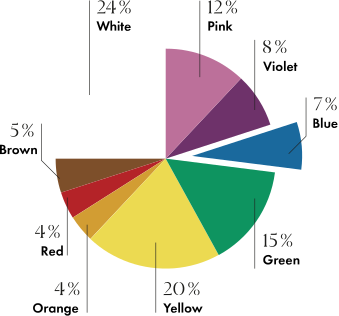
Frequency
Not every flower colour occurs equally often. The elaborate colour blue is found in only 7 per cent of all flowers. In mountain meadows, where competition for nutrients and insects is intense, blue occurs more often than elsewhere.
Colour Change
After pollination, the pink flowers of forget-me-not turn light blue, and the yellow nectar guides turn white. Insects can immediately see: there is nothing more to be gained here.